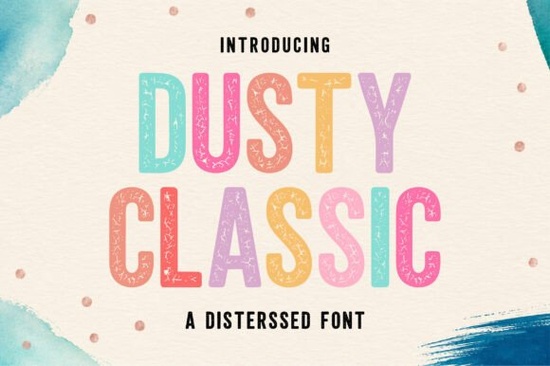
If you're looking for a display font that feels handmade but still works well in real-world projects like t-shirt designs, greeting cards, or small-batch packaging Dusty Classic Font is worth your attention. It’s not overly distressed or hard to read, and it doesn’t try too hard to be “vintage.” Instead, it offers a gentle, weathered charm: tall letterforms with just enough texture to suggest age and care, without sacrificing clarity. That balance makes it especially useful for creatives who need personality and practicality whether you’re designing a craft fair banner or prepping files for print-on-demand.
What kind of projects does Dusty Classic work best for?
This font shines where warmth and approachability matter. Think hand-lettered-style shop signage, baby shower invitations, rustic bakery labels, or Instagram story graphics for a local maker business. Because the wear is subtle not scratchy or chaotic it pairs well with clean layouts and modern photography. You’ll also find it holds up nicely at smaller sizes (down to ~16–18pt) in digital use, unlike some heavily textured fonts that blur or lose definition.
It’s especially handy if you’ve tried other distressed fonts and found them too aggressive or inconsistent. Dusty Classic keeps proportions even and spacing predictable, so kerning adjustments are minimal and that saves time when you’re juggling multiple client files or seasonal product drops.
How does it compare to similar display fonts?
Not all vintage-inspired fonts behave the same way. Some lean heavily into grunge; others feel more like calligraphy gone retro. Aaksaraan Valeriana Font, for example, has a bolder, ink-drawn confidence great for headlines but less flexible across body text or layered design elements. Ligra Font brings geometric precision with a soft edge, making it ideal for minimalist branding but it lacks the tactile, slightly imperfect character Dusty Classic delivers.
For contrast, Groovy Style Font leans into 70s flair with swashes and bounce, while Cartoon Distress Font embraces playful chaos both fun choices, but not quite the quiet, grounded tone Dusty Classic offers. And if you like how Dusty Classic balances structure and texture, you might also appreciate Spizelmore Font, which shares its thoughtful spacing and restrained imperfection.
Is Dusty Classic easy to use with common tools?
Yes it comes in standard OTF and TTF formats, so it installs and behaves reliably in Canva, Adobe Creative Cloud (Illustrator, Photoshop, InDesign), Affinity apps, Cricut Design Space, and Silhouette Studio. No extra plugins or converters needed. Bonus: it includes uppercase, lowercase, numbers, and basic punctuation so you won’t hit a wall mid-project because an ampersand or apostrophe is missing.
One thing to keep in mind: because of its light distressing, avoid over-compressing the font (e.g., squeezing letters tightly together or stretching them horizontally). Let it breathe. A little extra tracking especially in all-caps settings helps preserve legibility and lets the texture read as intentional, not muddy.
Who tends to get the most out of this font?
- Small business owners launching a new product line or rebranding with a friendly, human-centered voice
- Print-on-demand sellers building cohesive collections (e.g., “vintage nursery” or “farmhouse kitchen” themes) where consistency matters across mugs, tote bags, and wall art
- Crafters and educators making classroom posters, seasonal bulletin boards, or DIY party supplies where readability and charm both count
- Freelance designers who need a go-to “personality font” that works across client types without needing heavy customization
It’s not a one-size-fits-all solution for ultra-modern tech brands or high-contrast editorial layouts, you’d likely reach for something sharper or more neutral. But for everyday creative work where authenticity and ease matter, Dusty Classic fits quietly and confidently.
Before downloading or licensing: Check the license terms Creative Fabrica offers personal and commercial options, and some versions include extended rights for unlimited end products (like selling physical goods with the font embedded in your design). If you’re using it for client work, confirm whether attribution is required and whether web embedding is covered.
Quick checklist before you use Dusty Classic:
- ✅ Test it at your intended size especially if printing small (e.g., tags or jar labels)
- ✅ Pair it with a simple sans-serif (like Montserrat or Inter) for contrast in headings + body text
- ✅ Avoid heavy shadows or outlines that compete with its natural texture
- ✅ Try it in black first sometimes the worn effect reads best without color interference
- ✅ Save a version of your file with outlines (converted to shapes) before sending to print or sharing with clients
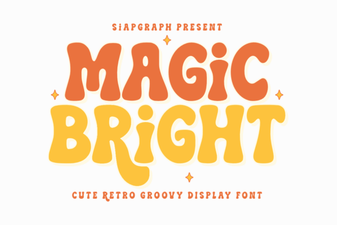 Magic Bright Font: Download & Creative Usage Guide
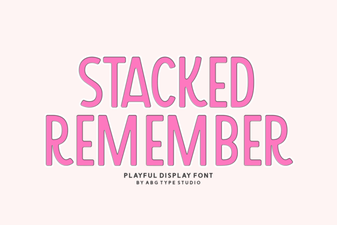 The Stacked Remember Font: Design & Implementation Guide
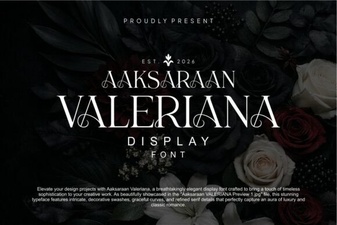 Design with Aaksaraan Valeriana Font
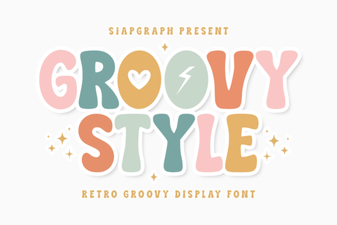 Groovy Fonts for Creative Design Projects
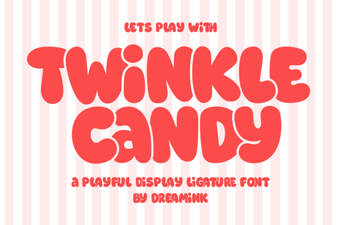 Twinkle Candy Font Download & Creative Uses
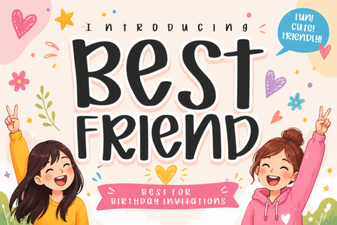 Best Friend Font: Design Ideas & Creative Uses