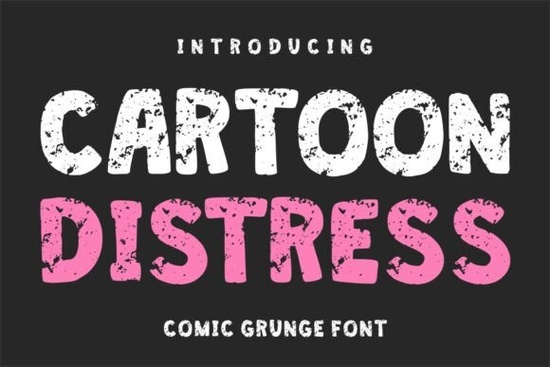
If you're looking for a font that feels like it just jumped off a vintage comic book cover bold, slightly messy, full of attitude but still easy to read you’ll want to try the Cartoon Distress Font. It’s not overly polished or sterile. Instead, it’s chunky, hand-textured, and intentionally weathered like ink that’s been stamped, scratched, and aged with care. That roughness gives it authenticity without sacrificing clarity, especially at larger sizes. Whether you’re designing a kids’ sticker pack, a band poster for a local gig, or YouTube thumbnails that need to pop in a crowded feed, this font lands with energy and personality.
When does Cartoon Distress work best?
This font shines where you want visual impact and a sense of playful rebellion. Think:
- Comic book covers and indie zine titles
- Gaming merch hoodies, enamel pins, or game launch banners
- Social media graphics for youth-focused brands or creative studios
- Event flyers for art fairs, DIY markets, or underground music shows
- Children’s product packaging (think toys, activity books, or lunchboxes) where fun meets grit
It’s not meant for body text or formal documents but as a headline, logo lockup, or short callout? It holds its own. The distressed texture adds depth, so it doesn’t flatten out on screen or in print. And because it’s designed with consistent spacing and weight, it pairs well with cleaner sans-serifs or even handwritten styles for contrast.
How does it compare to other expressive display fonts?
Cartoon Distress sits comfortably between cartoon playfulness and urban grunge less sweet than Cartoon Doodle Font, which leans into whimsical sketchiness, and less candy-coated than Twinkle Candy Font, which sparkles with rounded charm. It’s also more grounded than Best Friend Font, which uses soft curves and friendly bounce for warm, inclusive messaging. If you’ve used Spizelmore Font for vintage signage or Groovy Style Font for retro-funk vibes, you’ll notice Cartoon Distress shares some of that handmade feel but swaps in sharper edges and intentional wear for a more urgent, streetwise tone.
What kind of projects get better results with this font?
Print-on-demand sellers often find success using Cartoon Distress on limited-run tees, tote bags, and vinyl stickers especially when targeting teens or young adults who respond to authenticity over polish. Designers working on album artwork for indie rock or lo-fi hip-hop acts appreciate how the texture echoes analog recording aesthetics. Crafters making custom party supplies (think birthday banners or cupcake toppers) use it to add character without looking childish. And small businesses launching playful product lines like artisanal snacks, quirky stationery, or eco-friendly kids’ gear use it to signal creativity and approachability, not corporate perfection.
One thing to keep in mind: because of its texture, it works best at medium to large sizes. At under 24pt, fine details can blur so reserve it for headlines, logos, and short phrases. Also, test how it renders across devices: while it’s highly legible, some very light weights or thin strokes may soften on lower-res screens.
Where to find similar fonts (and why variety matters)
No single font fits every project and having options helps you match tone precisely. For example, if your current design feels too tame, swapping in Cartoon Distress Font might add the right edge. But if you need something more nostalgic, Twinkle Candy Font brings sweetness and bounce. Or if you’re leaning into mid-century signage, Spizelmore Font offers clean geometry with subtle warmth. Having a few expressive display fonts on hand means you’re never stuck choosing between “safe” and “loud.”
Before you download or license Cartoon Distress Font:
- Check the included file formats (OTF, TTF, WOFF) most versions support both Mac and Windows
- Look for bonus extras like alternate characters, ligatures, or dingbats they add flexibility
- Preview it in your actual layout tool (not just the browser preview) to see how it flows with your colors and imagery
- If using for client work, confirm the license covers commercial use (most Creative Fabrica fonts do, but always double-check)
- Try pairing it with a neutral sans-serif like Montserrat or Poppins to balance the energy
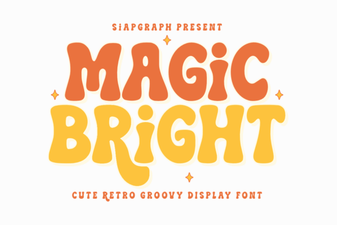 Magic Bright Font: Download & Creative Usage Guide
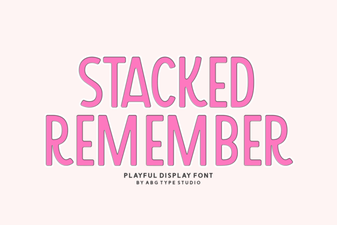 The Stacked Remember Font: Design & Implementation Guide
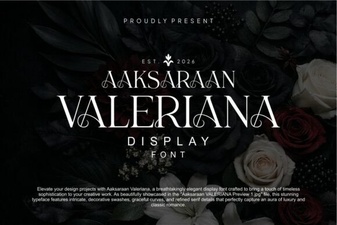 Design with Aaksaraan Valeriana Font
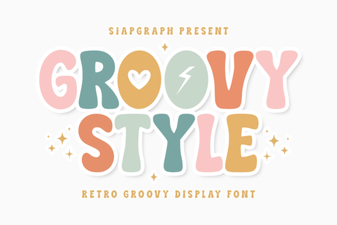 Groovy Fonts for Creative Design Projects
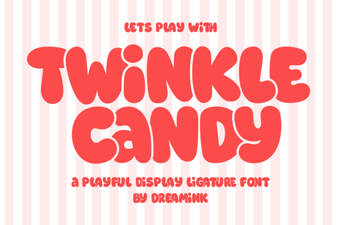 Twinkle Candy Font Download & Creative Uses
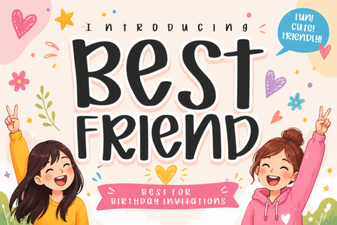 Best Friend Font: Design Ideas & Creative Uses